

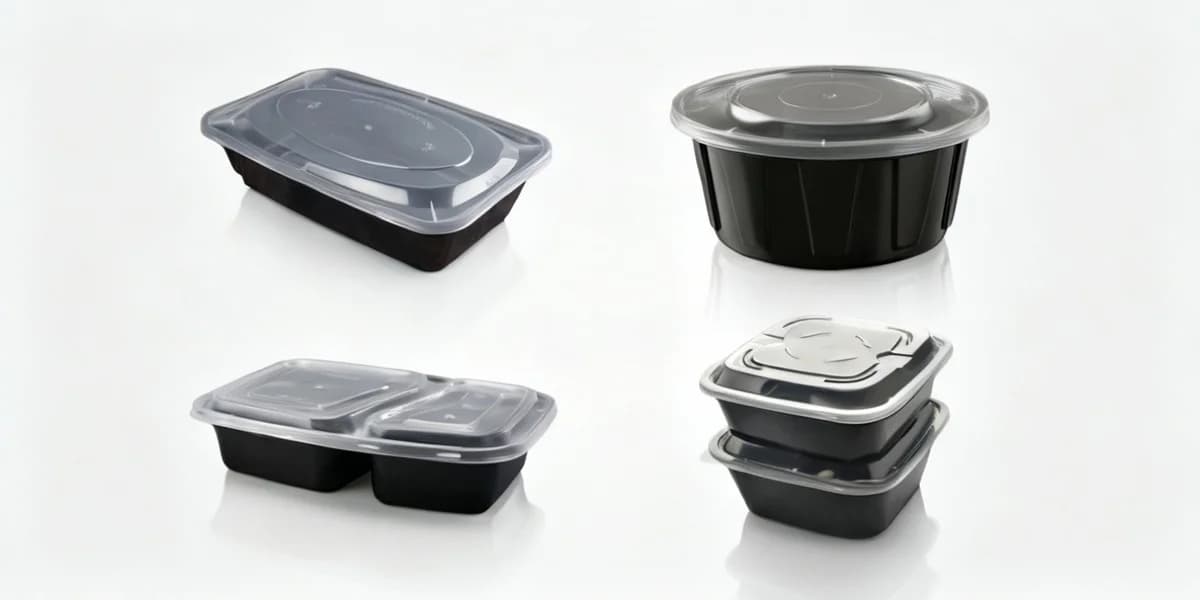
Food Container Market Demand in Brazil
Brazil's food packaging market exceeds BRL 40 billion annually, with thin-wall PP containers gaining share from aluminum, paper, and PS foam formats. Food delivery, supermarket deli counters, acai shops, catering suppliers, and regional meal-prep brands create demand for round bowls, rectangular trays, matching lids, and tamper-evident packs. Domestic PP supply from Braskem supports local conversion economics, while ANVISA food-contact requirements make consistent mold documentation and material traceability important for serious buyers. For HWAMDA, the strongest commercial fit is not a generic injection molding machine sale; it is a turnkey food container production line that can help Brazilian converters move from slower standard machines to high-speed thin-wall output.
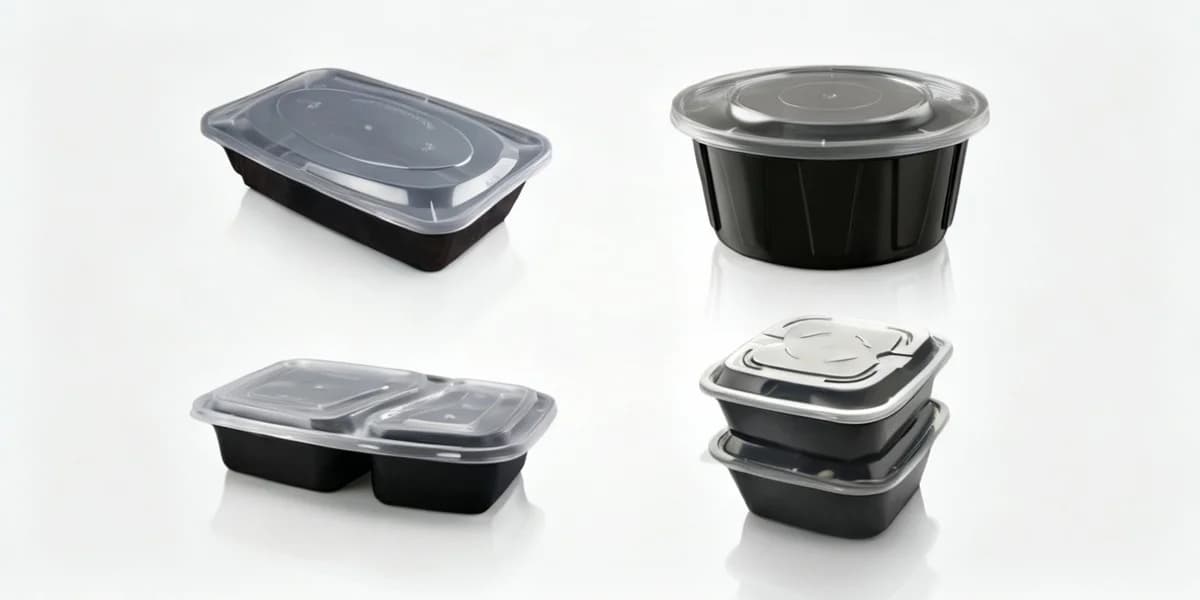
Thin-wall food containers — 500ml to 1500ml range
Recommended Machine: HMD 480M8-SPV (480-530T)
For most Brazil food container projects, HWAMDA starts evaluation with the HMD 480M8-SPV or nearby SPV models depending on container size, wall thickness, shot weight, and target cavity count. A 4800-5300 kN clamping range supports common 8-cavity thin-wall container molds, while high injection speed helps fill 0.5-0.7 mm walls before freeze-off. The line can be configured for 220V or 380V, 60Hz factory power after electrical confirmation. Servo-hydraulic control reduces energy use compared with older conventional hydraulic machines, which matters in Brazilian factories where electricity cost can affect margin on every container.
Mold Configuration: 8-Cavity for Brazil
The first mold decision for Brazil buyers is product mix. Round acai bowls, marmitex-style meal boxes, rectangular deli containers, and lids do not always belong on the same mold strategy. HWAMDA usually recommends an 8-cavity single-face mold for stable first-line production, then evaluates stack mold options when the buyer already has enough monthly orders, water-cooling capacity, robot handling, and maintenance discipline. Valve-gate hot runners, balanced cooling, and clean ejection matter more than maximum cavity count when the goal is repeatable thin-wall quality for transparent or colored PP containers.
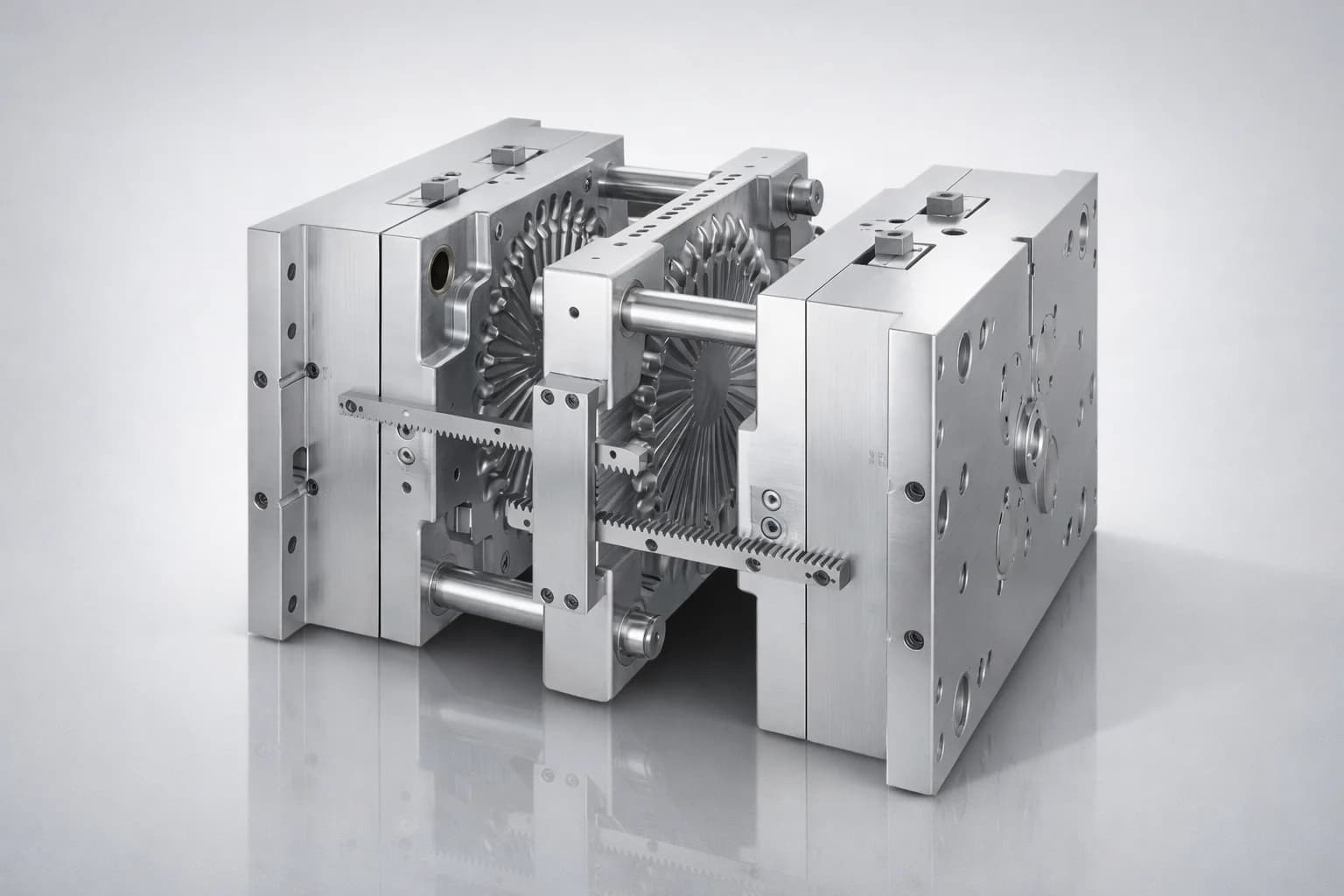
Stack mold technology doubles output per cycle
Need Expert Advice?
Talk to our engineers about your specific production requirements. Free consultation.
Production Planning & Line Sizing
An 8-cavity food container mold running at 5-7 second cycles can produce about 4,100-5,800 containers per hour before downtime assumptions. A buyer operating 20-22 hours per day should evaluate daily output, resin consumption, water chiller capacity, robot stacking speed, packing labor, and warehouse flow together. HWAMDA sizes the line from the target product list rather than from tonnage alone: container volume, lid matching, wall thickness, resin grade, embossing, label requirements, and annual order volume all affect the final machine and mold recommendation.
Commercial Line Package for Brazilian Buyers
Brazilian buyers comparing suppliers should request a complete food container production line package, not only a machine price. A HWAMDA quotation can include the SPV machine, food container mold, robot take-out and stacking system, hopper loader, material dryer, chiller, air compressor guidance, FAT video, spare parts list, and installation schedule. For buyers planning higher output, HWAMDA can compare a single-face mold line against a stack mold food container line so the purchase decision is tied to real orders, floor space, cycle-time target, and maintenance readiness.
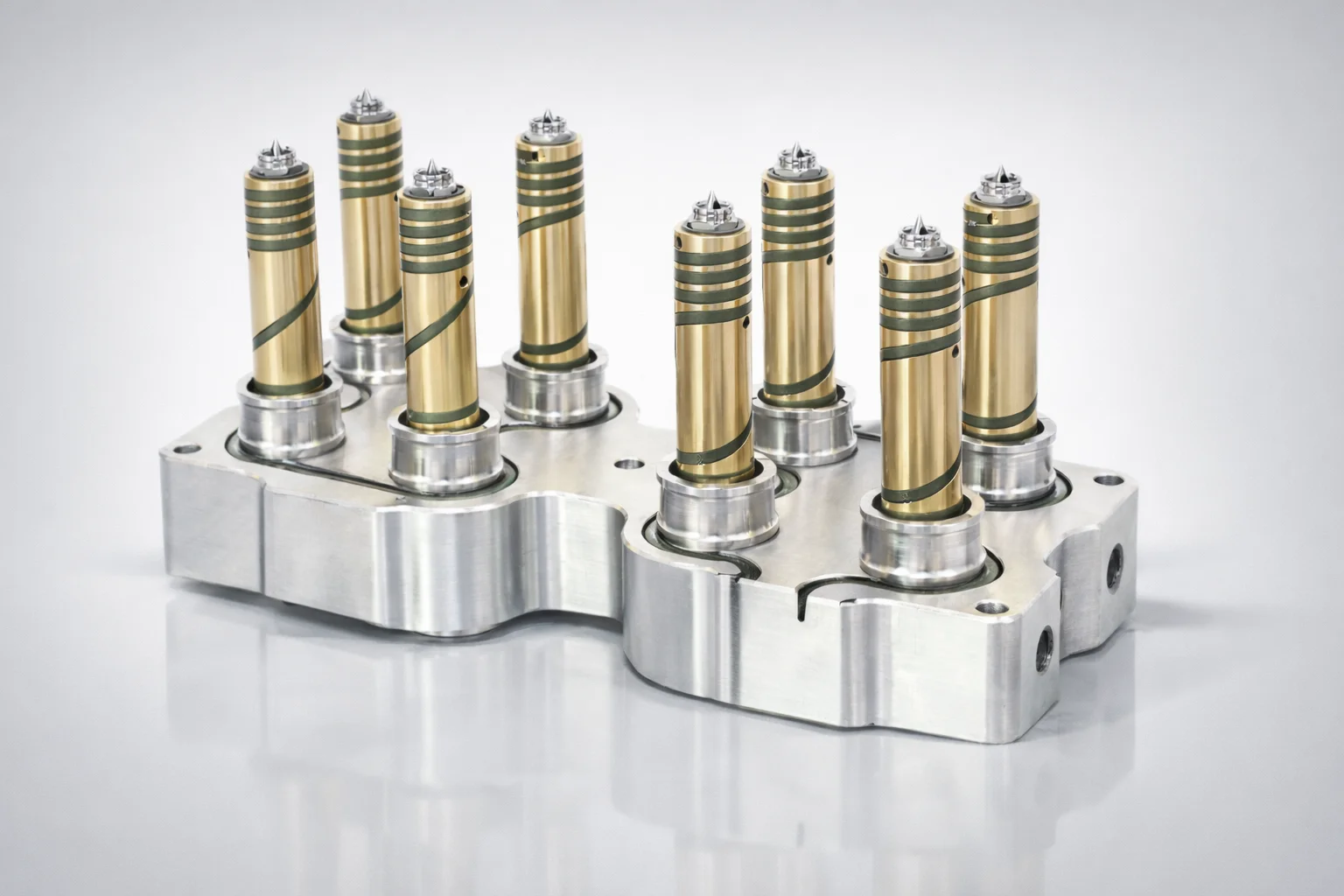
Valve gate system for gate vestige-free containers
Capital Investment & Payback Timeline
A complete HWAMDA food container line for Brazil, including machine, mold, and auxiliaries, typically requires project-specific costing because container weight, cavity count, automation level, and shipping route can change the budget. Payback should be calculated from confirmed local selling price, PP cost, electricity cost, labor plan, scrap rate, cycle time, and utilization. For early-stage buyers, HWAMDA recommends comparing three scenarios: conservative single-shift ramp-up, two-shift regional supply, and high-utilization multi-machine production for Sao Paulo, Rio de Janeiro, Parana, or Santa Catarina distribution.
Shipping & On-Ground Technical Service
HWAMDA ships Brazil projects through Santos, Paranagua, or other agreed ports depending on the buyer's location and customs broker. Sea freight from Ningbo commonly takes 30-38 days, followed by customs clearance, inland transport, installation, and commissioning. HWAMDA provides export documents, packing information, FAT evidence, and installation coordination so the buyer can prepare foundation, power, cooling water, compressed air, resin handling, and operator training before the machine arrives. Portuguese communication support can be coordinated during quotation and commissioning.
Frequently Asked Questions
Yes. HWAMDA's control system includes Portuguese language HMI interface. Operator manuals are available in Portuguese. HWAMDA maintains Brazilian sales representatives who provide native Portuguese communication for quotations, technical discussions, and project coordination. During installation, translation support ensures Brazilian operators receive thorough training in machine operation, basic maintenance, and troubleshooting procedures. HWAMDA maintains comprehensive technical files and test reports for all machines and molds, available upon request for regulatory and quality audit purposes. Contact HWAMDA's sales team for detailed specifications and quotation tailored to your specific food containers production requirements and local market conditions.
Related Guides
Ready to Start Your Project?
Get a free consultation and quotation for your thin-wall packaging production line.
Join 500+ manufacturers in 60+ countries who trust HWAMDA.
Get Free Quote