

Loading...
Loading...
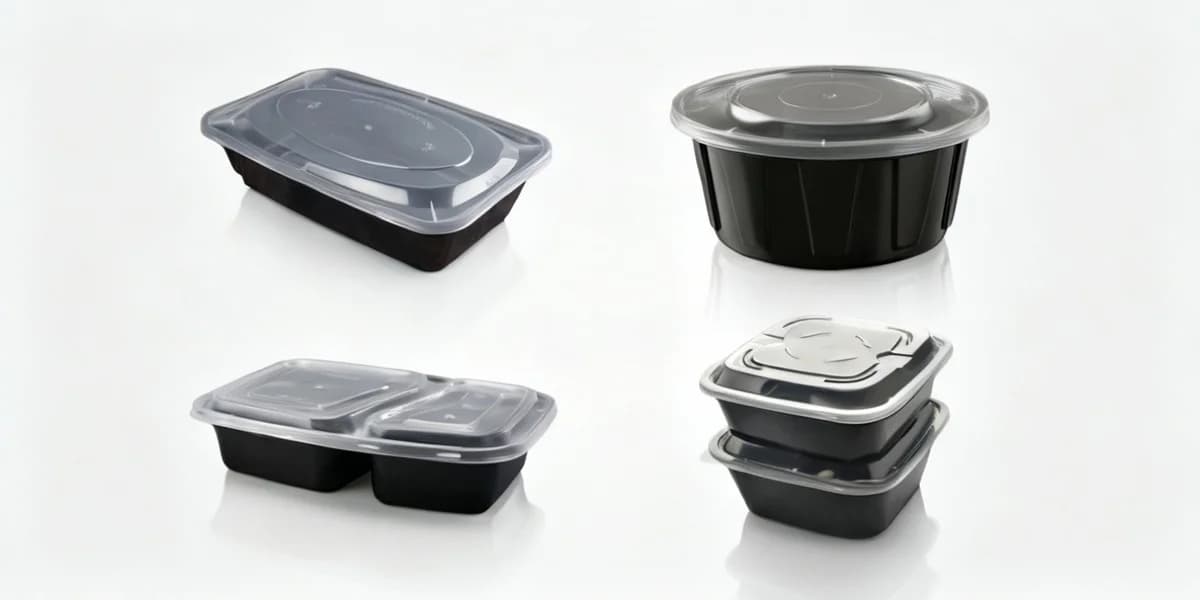
Precision thin-wall ecosystem for deli and takeout containers.
Request a QuoteBuyer Planning Guide
A food container production line for takeaway and deli packaging needs a high-rigidity thin-wall machine, fast-cooling mold, reliable part removal, and stable lid/container stacking. HWAMDA designs the cell around container shape, wall thickness, lid matching, and floor-space efficiency.
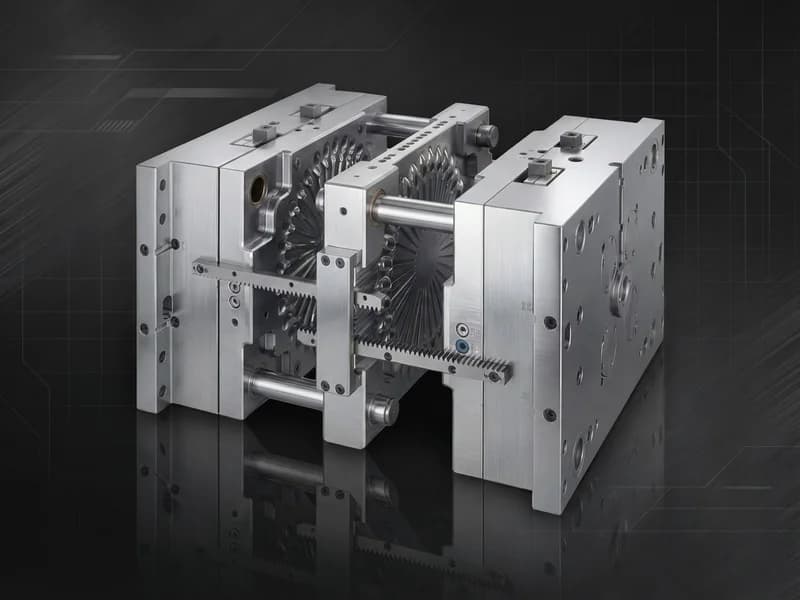
Chosen by projected area, stack mold requirement, and shot weight.
Stack mold can double output within similar floor space.
Requires uniform wall design and fast melt filling.
Depends on container size, mold layout, and lid matching process.
Maximized for output per square meter. Using stack mold technology to double production without increasing machine footprint.
Automated dosing & blending
Precision thin-wall molding
High-speed take-out robot
Automated counting line
Food Container Production: Complete Technical Deep Dive. From resin selection to finished product with HWAMDA SPV5 machines.
Read GuidebuyerCompare turnkey production lines vs buying components separately for thin-wall packaging. Analyze cost, integration risk, and time-to-production differences.
Read GuidebuyerGuide to expanding your thin-wall packaging production line. Learn when to add machines vs higher cavitation, plan capital, and optimize multi-line factory layouts.
Read GuidemarketHWAMDA food container production machines for USA. SPV5 480-530T with 8-cavity mold, 5-7s cycles. FDA-compliant thin-wall injection molding for US food packa...
Read GuidemarketHWAMDA food container machines for Germany. SPV5 480-530T with 8-cavity mold, 5-7s cycles. CE certified thin-wall injection molding for German food packaging...
Read GuidemarketPlan a Brazil food container production line with HWAMDA SPV machines, 8-cavity molds, stack mold options, Santos shipping, and ROI guidance.
Read GuideFAQ
Not always. A single-face mold is better for startup production or frequent product changes. A stack mold is better when demand is stable and floor-space output matters.
Wall thickness, PP flow grade, mold cooling, valve gate design, machine injection speed, and robot take-out time all affect the final cycle.
The same factory cell can be planned for both, but containers and lids normally require separate molds and may need different automation handling.
Get a customized solution for your thin-wall packaging needs. Our experts are ready to help you achieve higher efficiency and quality.
Complete IML in-mold labeling technology guide for food packaging: label materials, robot integration, cost analysis. SWITEK IML systems under 3-second.
Read GuidetechnicalThin-wall mold design guide: gate design, cooling systems, steel selection (S136 vs H13), stack mold vs single-face. Tolerances ±0.05-0.1mm over 5M+ shot life.
Read GuidetechnicalHigh-speed injection molding process parameters for thin-wall packaging: injection speeds 300-1000+ mm/s, melt temperature 220-260°C, cycle time.
Read GuidetechnicalPP material selection guide for food packaging: MFI 30-60 g/10min for thin-wall, FDA/EU 10/2011 compliance, PP vs PS vs PET comparison. Price $930-$1,510/MT.
Read GuidetechnicalCycle time optimization for thin-wall injection molding: cooling design, machine acceleration, mold engineering. Achieve 3-6s cycles for yogurt cups, sauce.
Read GuidetechnicalFood contact regulations for packaging equipment: FDA 21 CFR, EU 10/2011, Middle East and Southeast Asia standards. PP compliance, migration testing.
Read Guide